

INTELLIGENCE SUMMARY
Executive Summary
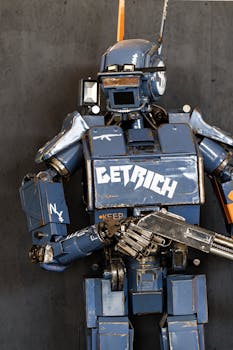
In 2026, the tech landscape witnesses a paradigm shift as companies pivot to physical AI, integrating robotics and defense alliances to create a more interactive and secure technological ecosystem. This strategic move is poised to revolutionize industries, enhancing efficiency, and safety, while opening new avenues for innovation and growth.
Titan's Intelligence Gear
Stay ahead in 2026. Explore the verified tech hardware featured in this intelligence report on Amazon.
Physically Enhanced AI: The Future of Technological Advancements
Executive Hook: The Impact of Physical AI
The integration of physical AI into various sectors, from manufacturing to healthcare, is expected to significantly impact the global economy. By leveraging the capabilities of AI in physical forms, such as robots, companies can optimize production processes, improve product quality, and minimize errors. Moreover, the collaboration between tech companies and defense alliances will pave the way for the development of advanced security systems, ensuring the protection of sensitive data and infrastructure.
Technical Deep Dive: The Hardware and Software of Physical AI
Physical AI encompasses a broad range of technologies, including robotics, machine learning algorithms, computer vision, and sensor systems. The hardware component involves the design and development of robots that can interact with their environment, using sensors and actuators to collect data and perform tasks. The software component focuses on the creation of sophisticated algorithms that enable these robots to learn from their experiences, adapt to new situations, and make informed decisions.
The development of physical AI requires significant advancements in fields such as artificial intelligence, machine learning, and data analytics. For instance, the use of deep learning algorithms can enable robots to recognize patterns, classify objects, and predict outcomes. Additionally, the integration of Internet of Things (IoT) devices and edge computing technologies can enhance the capabilities of physical AI systems, allowing for real-time data processing and analysis.
2026 Strategic Outlook: Future-Proofing with Physical AI
In 2026, companies that invest in physical AI are likely to gain a competitive edge in their respective markets. The ability to automate tasks, improve efficiency, and enhance customer experience will be crucial for businesses seeking to stay ahead of the curve. Furthermore, the partnership between tech companies and defense alliances will play a vital role in shaping the future of physical AI, as it will enable the development of secure and reliable systems that can withstand cyber threats and data breaches.
To future-proof their operations, companies should consider the following strategies:
- Invest in Research and Development: Allocate resources to explore new applications of physical AI and stay updated on the latest advancements in the field.
- Develop Strategic Partnerships: Collaborate with tech companies, defense alliances, and academia to leverage their expertise and resources.
- Foster a Culture of Innovation: Encourage experimentation, learning, and innovation within the organization toStay ahead of the competition.
Market Verdict: Buy, Sell, or Wait
The market for physical AI is expected to grow exponentially in the coming years, driven by increasing demand for automation, efficiency, and security. Companies that are well-positioned to capitalize on this trend include those that specialize in robotics, AI software, and cybersecurity. Investors should consider the following:
- Buy: Companies with strong R&D capabilities, strategic partnerships, and a proven track record of innovation.
- Sell: Companies that are slow to adapt to the changing technological landscape and lack a clear strategy for physical AI integration.
- Wait: Companies that are still in the process of developing their physical AI capabilities, but show promising potential for future growth.

Source: https://news.google.com/rss/articles/CBMiwAFBVV95cUxQWnczenpWam8tdERYTG12dk5mTDNYblFDbi12NW9jV29XaGhZY3FhNkxleVg4eDZ5ZFpZNGF3TjRhOFJHVi04eDFuX2ZrQ2VreG9abTFxaksxdzkxYTZyU2h5UzZidEp4Wmk2YndGYTJfal9TRHRXT1psRUFzOUVLcm1mQjdIemRkc0diVXNOT19RdjlBZUJjNGJrQUZHN05ROTI0cnNmbWk3NzFrdVZyUFBnZ0ZJNTk5b0hsZDR0YVHSAcYBQVVfeXFMUFVWemdPak9TcTJHR21lQ1FaS21uaXdxbVdpUUZrWW9fRnRmQ21UbTVkS3J5MU92SHVUUGdxWWNKRXc0aV9RUEZLRkJuU2RSZ2VOYlY4d2RwUHF1cUt5T2ZTdl9pRmlzYmY1cWFkTG0wTXdYekVUSlRYR202OG5NN29obWJXLUJwMmpmekM2TGNrRmY5aExWM0dMTEtLRDJKaUttZFdSUGRMSjBpd2FqbzVLTUU0TDRCYWFUN1BIakVRbDJfU25B?oc=5



0 Comments