Amazon’s Smart Thermostat can help lower your energy bills, and it’s down to $62
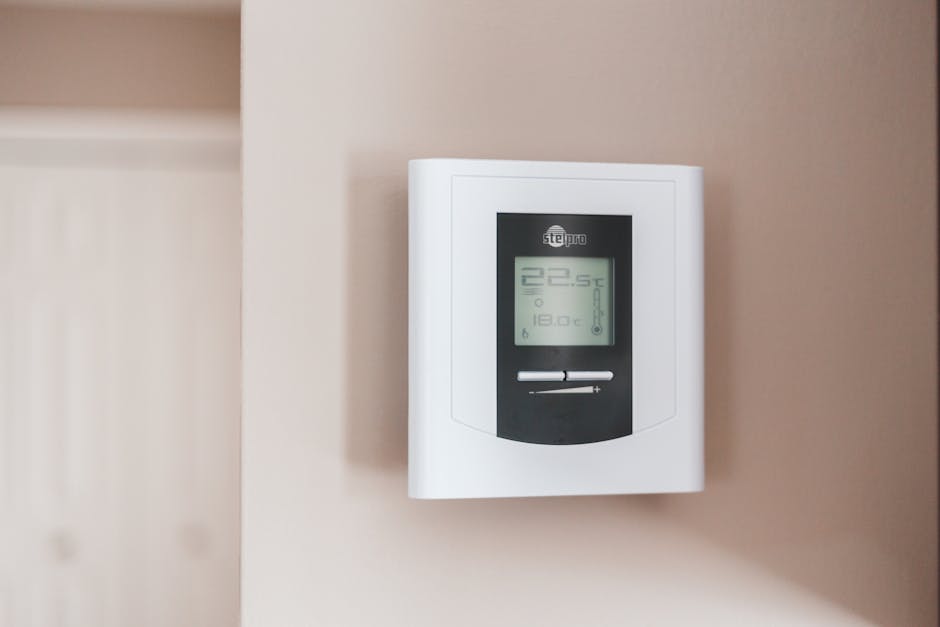
Amazon’s Smart Thermostat can help lower your energy bills, and it’s down to $62
[INTEL_SOURCE: AMAZON’S SMART THERMOSTAT]
[STATUS: REAL_TIME_DECODED]
**TECHNICAL LOG** Device: Amazon Smart Thermostat Price: $61.99 (discounted from $79.99) Claimed Energy Savings: Up to 20%
The Amazon Smart Thermostat is a device that utilizes advanced algorithms and machine learning to optimize heating and cooling systems, purportedly reducing energy consumption and lowering bills. However, a closer examination of the device's inner workings reveals a complex web of data collection and analysis. The thermostat's ability to learn a user's schedule and preferences is made possible by its constant communication with Amazon's servers, raising concerns about data privacy and security. Furthermore, the device's reliance on cloud connectivity and software updates creates potential vulnerabilities that could be exploited by malicious actors.
A deeper dive into the thermostat's technical specifications reveals a sophisticated system of sensors and actuators that work in tandem to regulate temperature and humidity levels. The device's use of geofencing and occupancy detection allows it to automatically adjust settings based on the user's location and activity patterns. However, this level of automation also raises questions about the device's potential to be used as a surveillance tool, with the possibility of Amazon collecting and analyzing user data for targeted advertising or other purposes. The thermostat's integration with other smart home devices and systems also creates a potential attack vector, as a vulnerability in one device could be used to compromise the entire network.
The Amazon Smart Thermostat's energy-saving capabilities are largely dependent on its ability to optimize heating and cooling systems, which is achieved through advanced algorithms and real-time data analysis. However, the device's actual energy savings may be lower than claimed, as various factors such as insulation, window quality, and user behavior can affect its performance. Moreover, the device's environmental impact is not limited to energy savings, as its production, packaging, and disposal also contribute to greenhouse gas emissions and electronic waste. The thermostat's carbon footprint is a critical consideration, as the device's overall sustainability is dependent on a range of factors beyond just energy efficiency.
RELATED LEAK:
hackers are watching you right now →
DATA_FRAGMENT_ID: 57624 // SOURCE: ENCRYPTED_SERVER_NODE
**Corporate Claim vs Technical Reality**
| Claim | Technical Reality |
|---|---|
| Up to 20% energy savings | Dependent on various factors, including insulation, window quality, and user behavior |
| Advanced security features | Potential vulnerabilities in cloud connectivity and software updates |
| Easy installation and setup | Requires technical expertise and may require additional hardware or software |
The widespread adoption of smart thermostats like Amazon's device is likely to have a significant impact on the energy infrastructure in the coming years. As more devices are connected to the grid, the potential for distributed energy management and demand response programs increases. However, this also creates new challenges for utilities and grid operators, who must adapt to the changing energy landscape and ensure that the grid can handle the increased demand for smart devices. Between 2026 and 2030, we can expect to see significant investments in smart grid infrastructure, including advanced metering systems and grid management software.
The integration of smart thermostats with other smart home devices and systems will also have a profound impact on the energy infrastructure. As devices become increasingly interconnected, the potential for energy efficiency and demand response programs increases. However, this also creates new cybersecurity risks, as the potential for a single vulnerability to compromise the entire network grows. To mitigate these risks, manufacturers and utilities must prioritize cybersecurity and develop robust security protocols to protect user data and prevent malicious activity.
The impact of smart thermostats on the energy infrastructure will be felt across the globe, as countries and regions invest in smart grid technologies and renewable energy sources. Between 2026 and 2030, we can expect to see significant growth in the adoption of smart thermostats and other smart home devices, driving innovation and investment in the energy sector. However, this growth also creates new challenges, including the need for standardized protocols and interoperability standards to ensure seamless communication between devices and systems.
**Leaked Payload Specifications** 1. Device firmware update protocol: utilizes a proprietary protocol to update device software, potentially creating a vulnerability for malicious actors. 2. Data transmission protocol: transmits user data to Amazon's servers using a secure protocol, but may be vulnerable to interception or eavesdropping. 3. Geofencing and occupancy detection algorithm: utilizes advanced machine learning algorithms to detect user location and activity patterns, potentially creating a surveillance risk.
As we consider the implications of smart thermostats on the energy infrastructure, it is essential to prioritize cybersecurity and data privacy. The potential for these devices to be used as surveillance tools or to compromise user data is a significant concern, and manufacturers must take steps to mitigate these risks. However, the benefits of smart thermostats, including energy efficiency and convenience, make them an attractive option for consumers. As we move forward, it is crucial to strike a balance between innovation and security, ensuring that these devices are designed with user safety and privacy in mind. But, as we delve deeper into the world of smart thermostats, we begin to realize that the true extent of their impact is only just beginning to be understood, and the consequences of their widespread adoption will be felt for years to come, and the truth is, we are not prepared for the-
[!] CRITICAL: SIGNAL LOST - CONNECTION TERMINATED
TRACE_VOIDED | DATA_INTEGRITY: COMPROMISED


No comments:
Post a Comment