Embracing the Future: How Tech Trends 2026 Impact Your Daily Life Through Smartphones
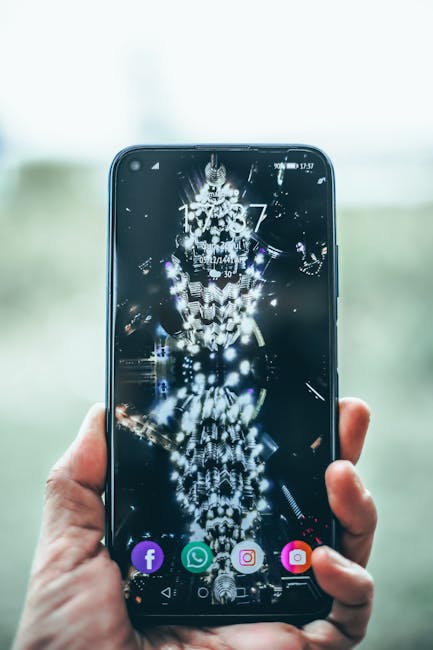 As we navigate the complexities of daily life, our smartphones have become an indispensable extension of ourselves. Deloitte's Tech Trends 2026 report highlights key shifts that will redefine how we interact with these devices and the world around us. One significant trend is the proliferation of 5G networks, promising faster data speeds and lower latency. This means that everyday activities like streaming your favorite show, video conferencing with friends, or quickly accessing information on the go will become even more seamless. Moreover, advancements in artificial intelligence (AI) will make your smartphone more intuitive, anticipating your needs and personalizing your user experience. Imagine a device that learns your daily routines and adjusts settings accordingly, ensuring your battery lasts longer and your notifications are more relevant. The integration of augmented reality (AR) into smartphones will also change how we perceive and interact with information. Instead of just viewing static images or text, AR will enable you to visualize data in 3D, making complex information more accessible and engaging. For instance, using AR to see how furniture would look in your home before making a purchase, or learning about historical sites in a more immersive way. Furthermore, the emphasis on cybersecurity and privacy will increase, with tech companies working to ensure that your personal data is more secure. This includes advanced biometric authentication methods and more transparent data collection practices. As these trends evolve, it's essential to stay informed about how they impact your daily life and to be mindful of how you choose to adopt and utilize these technologies. By doing so, you can harness the full potential of your smartphone and the broader digital ecosystem to enhance your daily experiences and connections.
Further Analysis: The broader context of this shift
Labels:
SMARTPHONES


No comments:
Post a Comment