


Robots May Not Displace as Many Jobs as Feared, but This Could Pose a New Challenge
• Key development in tech
• Impact on users and market
• What to watch next
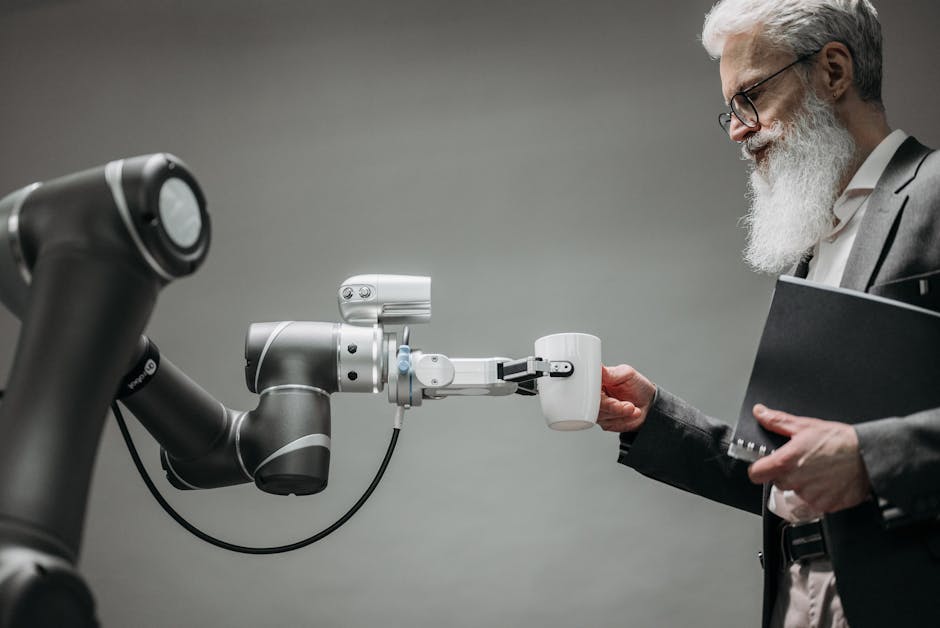
Recent studies suggest that the impact of robots and automation on job displacement may be less severe than initially thought. While it is undeniable that technological advancements will continue to alter the job market, the notion that robots will replace human workers en masse may be an exaggeration.
This shift in perspective is largely due to the realization that many jobs require a level of complexity, creativity, and human interaction that is difficult to replicate with current robotic technology. Moreover, as industries evolve, new job opportunities are emerging that we cannot yet fully anticipate.
Why this matters
The potential for robots not displacing as many jobs as feared is significant because it underscores the importance of preparing the workforce for a future where human and machine collaboration is the norm. This preparation includes investing in education and retraining programs that focus on developing skills that complement robotic capabilities.
However, this new challenge also poses a dilemma: if robots are not replacing human jobs at the predicted rate, then the expected productivity gains from automation may not materialize as quickly as anticipated. This could lead to a slowdown in economic growth and a mismatch between worker skills and the needs of the evolving job market.
The impact of this scenario is multifaceted. On one hand, it provides a window of opportunity for workers to adapt to new roles and industries. On the other hand, it necessitates a more nuanced approach to workers' training and education, focusing on flexibility, lifelong learning, and the development of soft skills.
Looking to the future, the relationship between technological advancement and job creation will likely become even more intertwined. As robots and automation continue to advance, they will undoubtedly create new opportunities for economic growth and job creation, but these will require proactive policies and investments in human capital.
In conclusion, while the initial fear of widespread job displacement by robots may be mitigated, the actual challenge of integrating robotic technology into the workforce while ensuring that workers have the necessary skills to thrive in this new landscape is just beginning. It will require a concerted effort from policymakers, educators, and industry leaders to navigate this transformation successfully.
👉 Continue reading: More insights
Popular Posts
-
Xiaomi 17T and 17T Pro: Upcoming Flagships Xiaomi is set to launch its latest flagship series, the Xiaomi 17T and 17T P...
-
Xiaomi's Latest Smart Door Lock: A Game-Changer in Home Security Xiaomi has recently unveiled its latest smart door lock, the Smart ...
-
**Τι Κρύβει το Μέλλον του Tim Sweeney; Ο CEO της Epic Games Σιωπά Μέχρι το 2032** Η τεχνολογική βιομηχανία εί...
-
Executive Summary : A recent incident reported on The Register highlights a case where an engineer intentionally sabotaged company hardwar...
-
QUALCOMM STOCKHOLDERS BACK BOARD, EQUITY PLAN; CEO AMON HIGHLIGHTS AI, ROBOTICS AND DATA CENTER PUSH QUALCOMM RECENTLY ANNOUNC...
-
Introduction to AITX and RAD's Innovative Solution Artificial Intelligence Technology Solutions (AITX), in collaboration with its subsid...
-
 Let's be real, the smartphone world has been waiting for this moment for years - the arrival of a truly...
 -
INTELLIGENCE SUMMARY ...


Popular Posts
-
🚨 INFO BOX: The European Commission h...
-
🚨 BRIEF (0h ago): Get the latest upda...
-
🚨 SAFETY ADVISORY: This guide ...
-
🚨 INFO BOX: Nuvio installation, Googl...
-
Introduction to the RTX 5090 The RTX 5090 is the latest addition to NVIDIA's lineup of graphics cards, and it's making waves in the...
-
🚨 BRIEF: Get the best Amazon Big Spring Sale tech deal...
-
🚨 INFO BOX: Fortnite update 5.06 patc...
-
🚨 BRIEF: The European Commission has been hit by a maj...


No comments:
Post a Comment