Russia Raman Spectroscopy Instruments Market: Trends and Insights
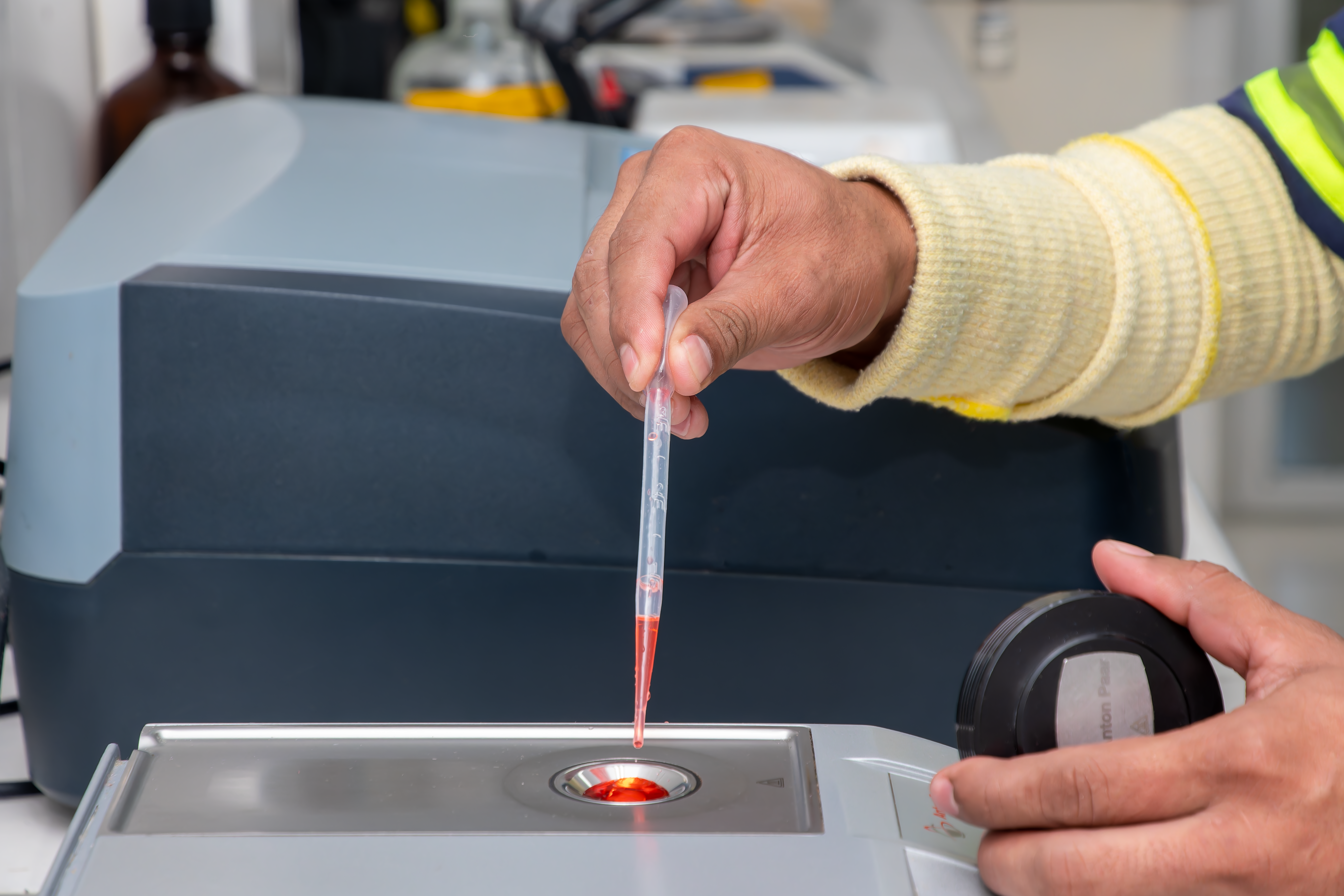
Russia Raman Spectroscopy Instruments Market 2026 Analysis and Forecast to 2035
Russia is on the cusp of a scientific revolution.
- Key market trends and drivers
- Market size and forecast to 2035
- Competitive landscape and market share
- Technological advancements in Raman spectroscopy
- Applications in various industries
Introduction to Raman Spectroscopy
Raman spectroscopy is a technique used to observe the vibrational, rotational, and other low-frequency modes in a system. It relies on inelastic scattering of monochromatic light, known as Raman scattering.
History of Raman Spectroscopy
The Raman effect was first observed in the 1920s by C.V. Raman, an Indian physicist. Since then, the technique has evolved significantly, with advancements in laser technology and detector sensitivity.
Russia Raman Spectroscopy Instruments Market Analysis
The Russian market for Raman spectroscopy instruments is expected to experience significant growth in the coming years. This growth is driven by increasing demand from various industries, including pharmaceuticals, biotechnology, and materials science.
Market Drivers and Trends
The market is driven by factors such as technological advancements, increasing research activities, and growing demand for quality control and process monitoring. However, the market is also facing challenges such as high equipment costs and limited awareness about the benefits of Raman spectroscopy.
Competitive Landscape
The Russian Raman spectroscopy instruments market is highly competitive, with several players operating in the market. The key players in the market include Thermo Fisher Scientific, Horiba, and Renishaw.
Market Share and Competitive Analysis
The market share of each player is determined by factors such as product portfolio, pricing strategy, and marketing efforts. The players are adopting various strategies such as new product launches, expansions, and partnerships to increase their market share.
Applications of Raman Spectroscopy
Raman spectroscopy has a wide range of applications in various industries, including pharmaceuticals, biotechnology, materials science, and forensics. The technique is used for quality control, process monitoring, and research and development.
Industrial Applications
In pharmaceuticals, Raman spectroscopy is used for drug development and quality control. In biotechnology, the technique is used for cell analysis and protein characterization. In materials science, Raman spectroscopy is used for material characterization and failure analysis.
| Instrument | Resolution | Sensitivity | Price |
|---|---|---|---|
| Thermo Fisher Scientific DXR | 1-2 cm-1 | High | $50,000-$100,000 |
| Horiba LabRAM | 0.5-1.5 cm-1 | Very High | $30,000-$70,000 |
| Renishaw inVia | 1-3 cm-1 | High | $40,000-$90,000 |
Pros and Cons of Raman Spectroscopy
Raman spectroscopy has several advantages, including high sensitivity, high resolution, and non-destructive testing. However, the technique also has some limitations, such as high equipment costs and limited depth penetration.
Advantages and Disadvantages
- High sensitivity and resolution
- Non-destructive testing
- High equipment costs
- Limited depth penetration
- Requires skilled operators
Step-by-Step Guide to Using Raman Spectroscopy
- Prepare the sample
- Select the instrument and settings
- Collect the data
- Analyze the data
- Interpret the results
Best Practices for Raman Spectroscopy
To get the most out of Raman spectroscopy, it is essential to follow best practices, such as proper sample preparation, instrument calibration, and data analysis.
Verdict
In conclusion, the Russian Raman spectroscopy instruments market is expected to experience significant growth in the coming years. The market is driven by factors such as technological advancements, increasing research activities, and growing demand for quality control and process monitoring.


No comments:
Post a Comment