


The Emerging Code: Whats Next for Human-AI Collaboration
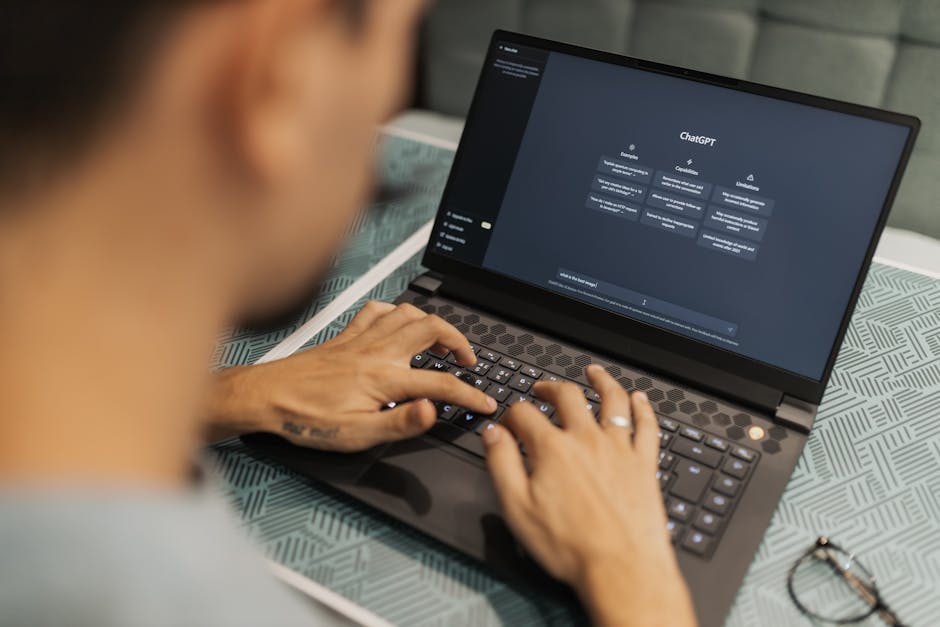 Imagine being able to work alongside a colleague who can process information at incredible speeds, learn from vast amounts of data, and provide insights that might elude human intuition. This is the promise of human-AI collaboration, an area of research that's gaining significant attention. 'Vibe coding,' a concept explored by researchers, suggests that humans and AI systems can collaborate more effectively by focusing on the 'vibe' or the underlying intent and emotional context of the coding process. This innovative approach may revolutionize the way we work with AI, enabling more harmonious and productive partnerships. But how does this emerging code impact human thinking, work, and daily life? As we delve into the world of human-AI collaboration, we find that the effects are multifaceted, influencing not just our professional endeavors but also our personal relationships and societal structures. On one hand, AI's ability to process and analyze vast amounts of data can augment human capabilities, freeing us from mundane tasks and allowing us to focus on creative problem-solving. This shift can lead to increased productivity and efficiency, as humans are able to tackle complex challenges with the support of their AI counterparts. Moreover, the integration of AI in various aspects of life, from healthcare to education, can improve decision-making processes, enhance customer experiences, and provide personalized services. However, as humans become more reliant on AI, there's a growing concern about the potential erosion of critical thinking skills. If we're consistently presented with data-driven insights and automated solutions, do we risk losing the ability to think independently, to question assumptions, and to explore unconventional ideas? The answer lies in the way we design and interact with AI systems. By incorporating 'vibe coding' principles, we can create AI that not only complements human thought but also encourages us to think more creatively and critically. This, in turn, can lead to a more balanced collaboration, where humans and AI learn from each other and co-create innovative solutions. Furthermore, the impact of human-AI collaboration on daily life extends beyond the professional sphere. As AI-powered devices and services become increasingly integrated into our homes, cars, and public spaces, we're constantly interacting with systems that are learning from us and adapting to our behaviors. This raises important questions about privacy, autonomy, and the potential for AI-driven manipulation. To mitigate these risks, it's essential to develop AI that prioritizes transparency, explainability, and human values. By doing so, we can ensure that the emerging code of human-AI collaboration serves to augment and enrich human life, rather than control or dictate it. As we move forward in this new era of collaboration, it's crucial to recognize the profound implications for human thinking, work, and daily life. The future of human-AI collaboration will be shaped by our ability to strike a balance between the benefits of AI-driven efficiency and the need for human creativity, empathy, and critical thinking. By embracing the principles of 'vibe coding' and prioritizing human values, we can unlock the full potential of this emerging code and create a future where humans and AI work together in harmony, driving innovation, progress, and positive change.
Labels:
AI
Subscribe to:
Post Comments (Atom)
Popular Posts
-
Xiaomi 17T and 17T Pro: Upcoming Flagships Xiaomi is set to launch its latest flagship series, the Xiaomi 17T and 17T P...
-
Xiaomi's Latest Smart Door Lock: A Game-Changer in Home Security Xiaomi has recently unveiled its latest smart door lock, the Smart ...
-
**Τι Κρύβει το Μέλλον του Tim Sweeney; Ο CEO της Epic Games Σιωπά Μέχρι το 2032** Η τεχνολογική βιομηχανία εί...
-
Executive Summary : A recent incident reported on The Register highlights a case where an engineer intentionally sabotaged company hardwar...
-
QUALCOMM STOCKHOLDERS BACK BOARD, EQUITY PLAN; CEO AMON HIGHLIGHTS AI, ROBOTICS AND DATA CENTER PUSH QUALCOMM RECENTLY ANNOUNC...
-
Introduction to AITX and RAD's Innovative Solution Artificial Intelligence Technology Solutions (AITX), in collaboration with its subsid...
-
 Let's be real, the smartphone world has been waiting for this moment for years - the arrival of a truly...
 -
INTELLIGENCE SUMMARY ...


Popular Posts
-
🚨 INFO BOX: The European Commission h...
-
🚨 BRIEF (0h ago): Get the latest upda...
-
🚨 SAFETY ADVISORY: This guide ...
-
🚨 INFO BOX: Nuvio installation, Googl...
-
Introduction to the RTX 5090 The RTX 5090 is the latest addition to NVIDIA's lineup of graphics cards, and it's making waves in the...
-
🚨 BRIEF: Get the best Amazon Big Spring Sale tech deal...
-
🚨 INFO BOX: Fortnite update 5.06 patc...
-
🚨 BRIEF: The European Commission has been hit by a maj...


No comments:
Post a Comment