You Are Being Watched: The Shocking Truth About Smart Home Devices
You Are Being Watched: The Shocking Truth About Smart Home Devices
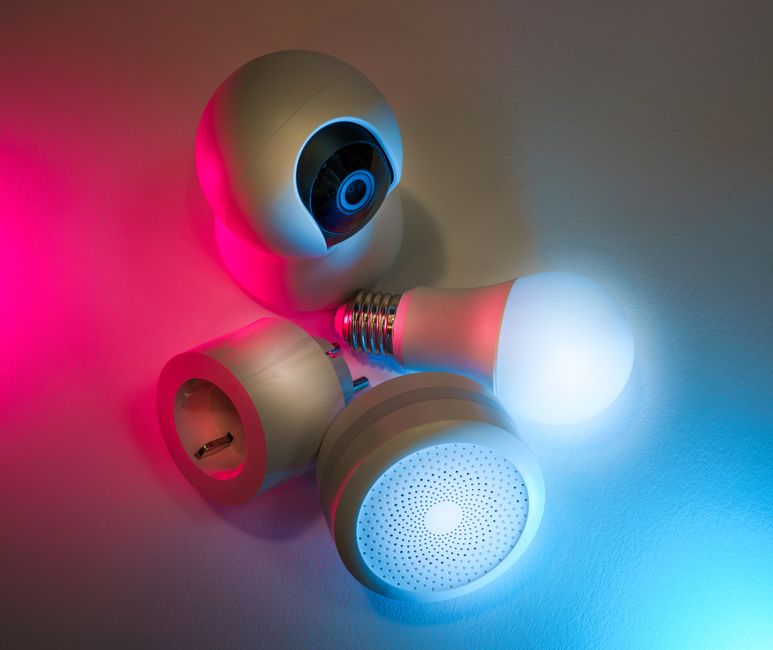
The world of smart home devices has revolutionized the way we live, work, and interact with our surroundings. With the rise of the Internet of Things (IoT), we have become accustomed to the convenience and ease of use that these devices provide. From voice assistants like Amazon's Alexa and Google Home to smart thermostats and security cameras, these devices have become an integral part of our daily lives. However, beneath the surface of this convenience lies a more sinister reality. The shocking truth is that many of these smart home devices are watching us, listening to us, and collecting our data without our knowledge or consent.
As we welcome these devices into our homes, we are unwittingly inviting a potential surveillance state into our private lives. The data collected by these devices can be used to build detailed profiles of our behavior, preferences, and habits. This information can be sold to third-party companies, used to target us with advertisements, or even shared with government agencies. The implications are chilling, and it's essential that we understand the risks associated with these devices. The issue is not just about data collection; it's about the potential for manipulation, exploitation, and even control. We must wake up to the reality that our smart home devices are not just passive tools, but active agents that are shaping our lives in ways we may not even be aware of.
The smart home industry has grown exponentially in recent years, with an estimated 12 billion devices connected to the internet by 2025. This growth has been driven by the promise of convenience, efficiency, and innovation. However, as we continue to adopt these devices, we are creating a vast network of interconnected devices that are vulnerable to hacking, data breaches, and other forms of exploitation. The consequences of this can be severe, ranging from financial theft to identity theft and even physical harm. The time to act is now, and it's crucial that we take a closer look at the smart home devices that are watching us.
The issue of smart home device surveillance is not just a matter of individual concern; it's a societal issue that requires a collective response. As we become increasingly dependent on these devices, we are creating a culture of surveillance that erodes our civil liberties and undermines our democracy. The ability of governments and corporations to collect and analyze our data raises fundamental questions about power, control, and accountability. We must recognize that the smart home device industry is not just a market, but a complex web of relationships between individuals, companies, and governments. It's essential that we take a step back and re-evaluate our relationship with these devices, and consider the long-term consequences of our actions.
The purpose of this article is to sound the alarm and alert consumers to the potential risks associated with smart home devices. We will delve into the world of smart home surveillance, exploring the ways in which these devices are watching us, listening to us, and collecting our data. We will examine the types of devices that are most vulnerable to exploitation, and provide guidance on how to protect ourselves from the prying eyes of corporations and governments. We will also explore the broader implications of smart home device surveillance, and consider the ways in which we can create a more transparent, accountable, and just system. The time to act is now, and it's essential that we take immediate action to protect our rights, our freedoms, and our very way of life.
### **The Anatomy of Smart Home Surveillance**
Smart home devices are designed to collect and transmit data to the cloud, where it can be analyzed and used to provide various services. However, this data collection process is often shrouded in secrecy, and consumers are rarely aware of the extent to which their data is being collected and used. There are several types of smart home devices that are particularly vulnerable to exploitation, including:
* **Voice Assistants**: Devices like Amazon's Alexa and Google Home are designed to listen to our conversations and respond to our commands. However, they are also capable of collecting and transmitting our voice data to the cloud, where it can be analyzed and used to build detailed profiles of our behavior and preferences. * **Smart Thermostats**: Devices like Nest and Ecobee are designed to learn our temperature preferences and adjust the heating and cooling systems in our homes accordingly. However, they also collect and transmit data on our energy usage, which can be used to build detailed profiles of our behavior and habits. * **Security Cameras**: Devices like Ring and Nest Cam are designed to provide security and peace of mind for homeowners. However, they also collect and transmit video and audio data, which can be used to build detailed profiles of our behavior and activities.
### **The Data Collection Process**
The data collection process used by smart home devices is complex and multifaceted. There are several types of data that are collected, including:
* **Metadata**: This includes data about our devices, such as their location, IP address, and operating system. * **Usage Data**: This includes data about how we use our devices, such as the times of day we use them, the features we use, and the frequency of use. * **Sensor Data**: This includes data from sensors built into our devices, such as temperature, humidity, and motion sensors. * **Audio and Video Data**: This includes data from microphones and cameras built into our devices, such as voice commands, conversations, and video footage.
### **The Risks of Smart Home Surveillance**
The risks associated with smart home surveillance are significant and far-reaching. Some of the most significant risks include:
* **Data Breaches**: Smart home devices are vulnerable to hacking and data breaches, which can result in the theft of our personal data and sensitive information. * **Identity Theft**: Smart home devices can be used to collect and transmit sensitive information, such as our social security numbers, credit card numbers, and other personal data. * **Physical Harm**: Smart home devices can be used to manipulate and control our physical environment, such as our thermostats, lights, and security systems. * **Psychological Manipulation**: Smart home devices can be used to collect and analyze our behavior and preferences, which can be used to manipulate and influence our thoughts and actions.
Must Read:
warning update now or face consequencesThere are several players involved in the smart home surveillance industry, including:
* **Device Manufacturers**: Companies like Amazon, Google, and Apple manufacture and sell smart home devices. * **Data Brokers**: Companies like Acxiom and Experian collect and sell data to third-party companies. * **Advertisers**: Companies like Procter & Gamble and Coca-Cola use data collected from smart home devices to target us with advertisements. * **Government Agencies**: Governments around the world are using data collected from smart home devices to build detailed profiles of citizens and to monitor their behavior.
### **Protecting Yourself from Smart Home Surveillance**
There are several steps we can take to protect ourselves from smart home surveillance, including:
* **Reading the Fine Print**: Before purchasing a smart home device, read the terms of service and understand what data is being collected and how it will be used. * **Using Strong Passwords**: Use strong, unique passwords for all of your smart home devices, and avoid using the same password for multiple devices. * **Enabling Two-Factor Authentication**: Enable two-factor authentication for all of your smart home devices to add an extra layer of security. * **Disabling Microphones and Cameras**: Disable microphones and cameras on your smart home devices when not in use to prevent data collection. * **Using a VPN**: Use a virtual private network (VPN) to encrypt your internet traffic and prevent data collection by third-party companies.
### **The Future of Smart Home Surveillance**
The future of smart home surveillance is uncertain, but it's clear that the industry is moving towards greater transparency and accountability. Some of the trends that are shaping the future of smart home surveillance include:
* **Regulatory Frameworks**: Governments around the world are developing regulatory frameworks to govern the collection and use of data from smart home devices. * **Industry Standards**: Industry standards are being developed to ensure that smart home devices are secure and transparent. * **Consumer Awareness**: Consumers are becoming more aware of the risks associated with smart home surveillance, and are demanding greater transparency and accountability from device manufacturers. * **New Technologies**: New technologies, such as blockchain and artificial intelligence, are being developed to provide greater security and transparency for smart home devices.
In conclusion, the shocking truth about smart home devices is that they are watching us, listening to us, and collecting our data without our knowledge or consent. The risks associated with smart home surveillance are significant and far-reaching, and it's essential that we take immediate action to protect ourselves. By understanding the anatomy of smart home surveillance, the data collection process, the risks involved, and the players involved, we can take steps to protect ourselves and create a more transparent, accountable, and just system. The future of smart home surveillance is uncertain, but it's clear that the industry is moving towards greater transparency and accountability. It's essential that we stay vigilant and continue to demand greater transparency and accountability from device manufacturers, data brokers, advertisers, and government agencies.


No comments:
Post a Comment