


Youre 10 Minutes Away from Beating Phone Addiction: Heres How
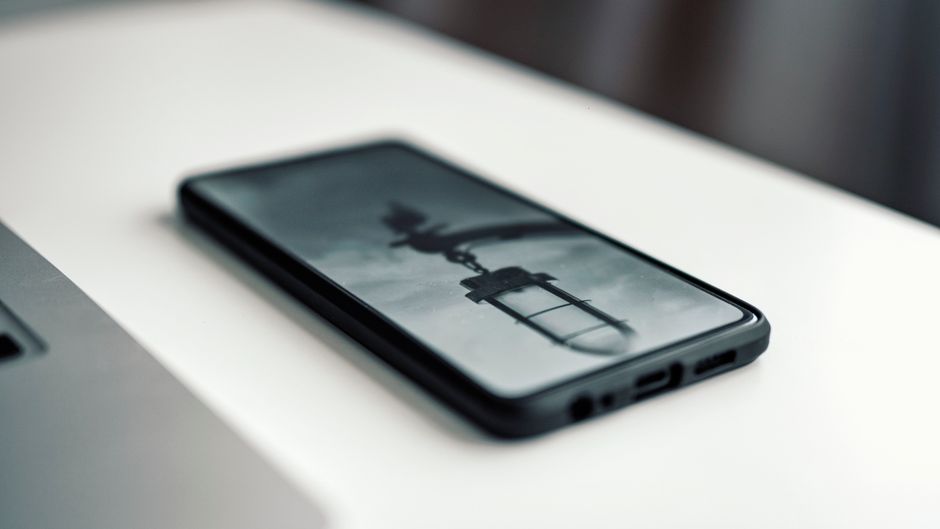 The average person checks their phone over 50 times a day, with some studies suggesting this number can be as high as 100 times or more for certain individuals. This phenomenon isn't just a matter of personal habit; it signifies a broader societal issue - phone addiction. The continuous stream of notifications, the endless scroll of social media feeds, and the instant access to information have created an environment where our daily routines and human connections are significantly influenced by our smartphones. But what if you could break this cycle in just 10 minutes a day? The impact on our mental health, relationships, and productivity could be profound. However, the question remains: is this change good or bad for people? To answer this, let's delve into how phone addiction affects our daily lives and the potential benefits and drawbacks of overcoming it. Phone addiction doesn't just mean being physically attached to your device; it's about the emotional and psychological reliance on it. It affects our sleep patterns, as the blue light from screens interferes with our ability to fall asleep. It impacts our mental health, contributing to feelings of loneliness, despite being more connected than ever. It changes the way we interact with each other, sometimes replacing face-to-face communication with screen time. The mission to beat phone addiction, therefore, isn't just about putting down our phones; it's about reclaiming our lives and our connections with others. So, how can someone begin to make this change in just 10 minutes a day? The first step is awareness - recognizing when and why you're reaching for your phone. Is it out of boredom, habit, or a genuine need for information? Once you understand your motivations, you can start to implement strategies to reduce your phone use. This could be as simple as turning off notifications for non-essential apps, setting aside phone-free times of the day, or replacing some screen time with a hobby or exercise. The key is to start small and be consistent. Setting aside 10 minutes a day to do something without your phone can be incredibly liberating. It could be meditating, journaling, taking a short walk, or simply engaging in a conversation with someone without the distraction of a screen. These small actions can lead to significant changes over time, affecting not just our personal well-being but also our interactions with others. Human connection is at the heart of this issue. When we're not glued to our screens, we're more present in our interactions. We listen more intently, engage more deeply, and build stronger, more meaningful relationships. This, in turn, can lead to a stronger sense of community and belonging, which are crucial for our emotional and mental health. However, it's also important to acknowledge the benefits phones bring. They connect us to information, services, and people across the globe in ways that were previously unimaginable. They enable remote work, provide access to education, and offer countless tools for personal and professional development. The goal, therefore, isn't to eliminate phone use entirely but to find a balance. It's about using our phones in a way that enhances our lives rather than controlling them. In conclusion, beating phone addiction, even if it's just by reducing our screen time by 10 minutes a day, can have a profound impact on our lives and our connections with others. It's a step towards reclaiming our time, our relationships, and our mental health. While phones offer many benefits, our reliance on them can have negative consequences. The truth is, change can be good if it leads to a healthier, more balanced relationship with our devices. By being mindful of our phone use and making small, consistent changes, we can begin to break the cycle of addiction and foster more meaningful human connections. The mission to tell the truth about phone addiction and its impact on our daily habits highlights the importance of awareness, balance, and intentional use of technology. As we move forward in this digital age, it's crucial that we prioritize our well-being and our human connections, ensuring that our use of technology serves to enhance, not dominate, our lives.
Read more for the people: Continue Reading
Labels:
SMARTPHONES
Subscribe to:
Post Comments (Atom)
Popular Posts
-
Xiaomi 17T and 17T Pro: Upcoming Flagships Xiaomi is set to launch its latest flagship series, the Xiaomi 17T and 17T P...
-
Xiaomi's Latest Smart Door Lock: A Game-Changer in Home Security Xiaomi has recently unveiled its latest smart door lock, the Smart ...
-
**Τι Κρύβει το Μέλλον του Tim Sweeney; Ο CEO της Epic Games Σιωπά Μέχρι το 2032** Η τεχνολογική βιομηχανία εί...
-
Executive Summary : A recent incident reported on The Register highlights a case where an engineer intentionally sabotaged company hardwar...
-
QUALCOMM STOCKHOLDERS BACK BOARD, EQUITY PLAN; CEO AMON HIGHLIGHTS AI, ROBOTICS AND DATA CENTER PUSH QUALCOMM RECENTLY ANNOUNC...
-
Introduction to AITX and RAD's Innovative Solution Artificial Intelligence Technology Solutions (AITX), in collaboration with its subsid...
-
 Let's be real, the smartphone world has been waiting for this moment for years - the arrival of a truly...
 -
INTELLIGENCE SUMMARY ...


Popular Posts
-
🚨 INFO BOX: The European Commission h...
-
🚨 BRIEF (0h ago): Get the latest upda...
-
🚨 SAFETY ADVISORY: This guide ...
-
🚨 INFO BOX: Nuvio installation, Googl...
-
Introduction to the RTX 5090 The RTX 5090 is the latest addition to NVIDIA's lineup of graphics cards, and it's making waves in the...
-
🚨 BRIEF: Get the best Amazon Big Spring Sale tech deal...
-
🚨 INFO BOX: Fortnite update 5.06 patc...
-
🚨 BRIEF: The European Commission has been hit by a maj...


No comments:
Post a Comment